
In oil-immersed transformers, Oil Duct Strips — also known as insulating support strips or spacer strips — are critical for guiding oil flow, ensuring insulation, and providing mechanical support. By enabling smooth circulation of insulating oil, they help manage heat, enhance dielectric strength, and maintain internal stability during transformer operation.

What Is Transformer Oil Duct Strip?
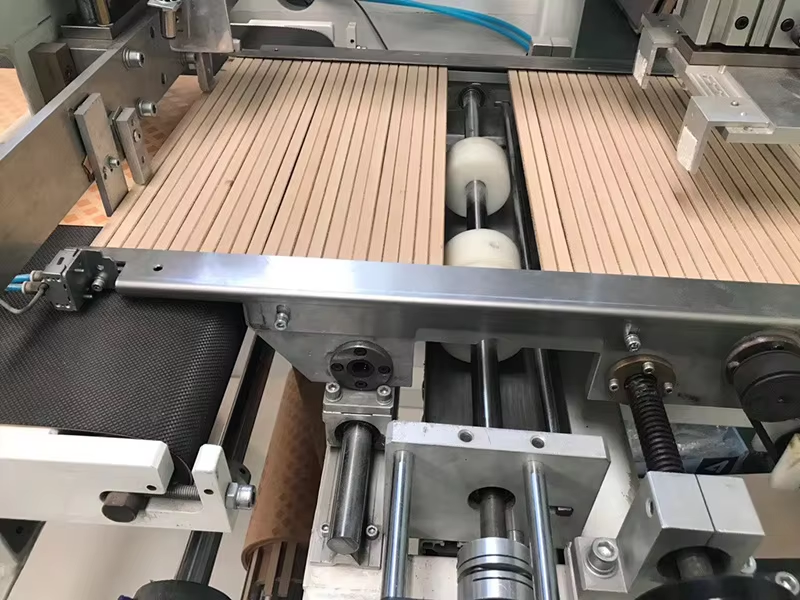
A transformer oil duct strip is a composite insulation material made by bonding rectangular bracing strips to diamond dotted paper (DDP) or other insulating paper using a high-temperature adhesive. It is installed between winding layers to form precise oil channels inside the transformer. Depending on application needs, the base materials can vary — such as double-sided or single-sided DDP paper, or kraft-based insulation structures.
Key Features
1. Insulation Class A (105°C)
2. Made from 100% sulfate wood pulp
3. High mechanical and electrical strength
4. Low moisture absorption and shrinkage
5. Excellent compatibility with transformer oil
6. Uniform surface, free of impurities and defects
7. Accurate dimensions and stable under heat and pressure
Applications
Transformer oil duct strips are widely used in:
Power and Distribution Transformers
1. Heat Dissipation: They form channels for insulating oil to flow between windings, effectively removing heat and maintaining stable operating temperatures.
2. Electrical Insulation: They provide separation between high- and low-voltage windings and help withstand electric field stress, forming a part of the transformer's insulation system.
3. Mechanical Support: They help secure windings in place, resisting displacement caused by electromagnetic force or vibration during operation.
Reactors and Other Electrical Equipment
In reactors and similar systems, oil duct strips also support cooling and insulation functions, often under stronger mechanical force conditions.
Why Use Oil Duct Strips Instead of Corrugated Pressboard?
1. Structural Strength: Corrugated pressboard weakens under heat and pressure, while oil duct strips maintain high compressive strength.
2. Stability: Corrugated pressboard deforms easily; oil duct strips stay dimensionally stable in harsh environments.
3. Electrical Performance: Corrugated materials are more prone to breakdown; duct strips offer superior dielectric strength.
4. Oil Flow: Corrugated ducts often create irregular flow paths; duct strips ensure smooth and precise oil circulation.
Custom Solutions & Inquiries
We offer a variety of transformer oil duct strips tailored to your specific needs — including different paper types (DDP, kraft), support strip profiles (rectangular, T-shape, custom shapes), and precise bonding techniques. Whether you need standard sizes or fully customized solutions, contact GBS Tape for help.
Post time: Jul-10-2025